The High Cost of Misaligned Lab Applications
The wrong development application spends more than your submission fee. It can consume months of creative momentum while a draft waits in an unsuitable queue, and an agreement signed too quickly can restrict the rights you need for a future producer. The right program gives a project useful pressure, sustained mentorship, or access to people who can help finance it.
Before polishing an artistic statement, identify what you need the program to do. These three formats serve different stages:
- Script labs offer intensive dramaturgical workshops: close examination of character, structure, scene work, and the choices holding a screenplay together.
- Writing residencies protect time and space for writing, often with considerable freedom over how you use each day.
- Filmmaker incubators develop a project's package through pitch preparation, producer relationships, and market connections.
Names can blur those boundaries. Read the schedule and participation agreement before trusting the label. A program advertising mentorship might provide sustained script consultation, a short pitch meeting, or something between the two.
For the Female Eye Film Festival, the development pipeline matters long before a film reaches the festival program. The scripts that secure useful feedback, production partners, and financing opportunities have a clearer route toward becoming finished independent features. That makes industry development part of the conversation about which women's stories reach festival screens.
I start with a blunt question: what must change in this project before its next meaningful conversation? Answer that before paying another application fee.
Intensive Script Labs That Sharpen Narrative Architecture
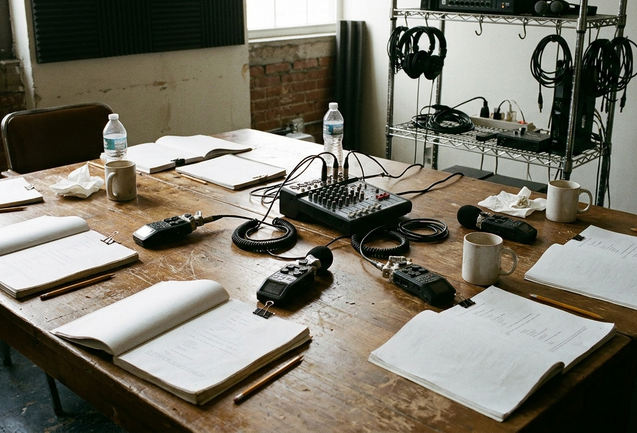
A table read can expose a problem that silent reading keeps concealing. An actor reaches a confrontation, the dialogue lands, yet the scene changes nothing. The character leaves with the same options she had on arrival. That is the kind of structural question a script lab should help a director confront.
Look for a schedule with distinct kinds of feedback. One-on-one creative advisor sessions allow sustained questions about intention and execution. Table reads with professional actors reveal rhythm, repetition, and playable action. Peer workshops bring other filmmakers into contact with the script's assumptions, including the information its writer has forgotten to put on the page.
Bring a Draft You Can Take Apart
A complete first or second draft gives those conversations something concrete to interrogate. Before approaching producers, a director may need to discover whether the protagonist drives the story, whether the central relationship develops, or whether the ending depends on an unearned decision.
The practical commitment extends beyond attendance. Check mandatory multi-day or multi-week sessions, pre-lab rewrite deadlines, and expectations for reading other participants' work. Leave enough space afterward to interpret the notes. Immediate compliance with every suggestion can scramble a script's underlying intention.
Emotional readiness matters here. You should be able to explain why a scene exists while remaining willing to remove it. Keep a revision document that separates the problem an advisor identifies from the solution they propose.
Read the Rights Clause
Lab selection alone does not secure financing. Check exclusivity, rights of first refusal, and any backend participation against the rights your project still needs to offer a producer.
Writing Residencies Built for Uninterrupted Draft Generation
For a treatment waiting to become a screenplay, a quiet room may be the most useful development resource available.
A residency creates distance from the daily administration that fragments writing: paid work, inbox management, scheduling, and household demands. Some place filmmakers alongside artists working in other disciplines. That setting can widen a project's visual or thematic vocabulary without turning every conversation into a screenplay assessment.
Protected time suits the treatment-to-first-draft phase, when scenes still need to emerge. It can also serve a deep polish when the director already understands the revision and further outside notes would interrupt it. Read the residency's expectations carefully: communal meals, presentations, studio visits, and public events all shape the working day.
Price the Time Away
Start with what the offer actually covers. Lodging and meals may make a stay possible, but travel, lost wages, caregiving, and continuing costs at home remain part of the budget. A place described as fully supported may still leave a substantial gap in a filmmaker's household finances.
Write those costs beside the application deadline. Then define a deliverable within your control: complete the missing middle section, rebuild the final sequence, or finish a dialogue pass. A vague promise to “develop the project” gives an open calendar very little direction.
Pack the materials that keep you working offline: the current treatment, essential research, and a scene inventory. Establish when you will handle unavoidable messages so they do not quietly reclaim the day.
Filmmaker Incubators That Bridge Script to Financing and Production
Once a script holds together and a producer is attached, the questions change. Who is the audience? What does the budget require? Which production relationships fit the film's scale? An incubator should help a director-producer team answer those questions with materials that withstand scrutiny.
Depending on the program, that work can involve sales agents, entertainment attorneys, and co-production market executives. Each examines a different part of the package. A sales conversation tests positioning; a legal session examines rights and agreements; a co-production discussion tests whether the proposed financing structure fits the project.
Targeted gender-equity incubators can create introductions to equity financiers, festival pitch forums, and alumni networks. Evaluate the actual access described in the offer. A named meeting format and a clear follow-up process tell you more than broad promises of industry exposure.
Within Female Eye Film Festival's industry development context, Live Pitch and Good to Go provide useful reference points for buyer-facing preparation. At the packaging stage, pitch rehearsal helps a filmmaker articulate the story, production needs, and directorial vision. A lookbook, budget top-sheet, and clear producer role give that conversation substance.
Keep the boundary clear: if the screenplay's central conflict still collapses halfway through, sales introductions cannot perform the missing rewrite. Return to structural work before spending your strongest opportunity to present the package.
After a market meeting, record the actual request. Sending a revised budget, confirming rights availability, or sharing a requested draft gives the relationship a next step. Applause at a pitch carries less practical value than a conversation you can continue.
How to Audit Your Current Project Before Submitting
Audit the materials you have today. The version you hope to finish before selection should stay out of this first assessment.
- Logline or treatment: prioritize protected writing time. Check that a residency accepts your development stage and that its working conditions support drafting.
- Complete rough draft: look for a script lab offering sustained structural feedback, advisor access, and a clear workshop process.
- Polished draft with a producer: examine packaging incubators. Test whether your lookbook, budget top-sheet, and rights position can support a financing conversation.
Next, read recent cohort rosters alongside filmmaker profiles and production news & announcements. Famous alumni can distract from what the program currently delivers. Look for fellows who moved a first or second feature into production at a genre and budget scale comparable to yours. Distinguish a project announcement from an actual production milestone.
Use awards & tributes coverage to understand a filmmaker's wider trajectory, while keeping your application decision tied to project progress. Recognition and production answer different questions.
Open a spreadsheet today, select only three programs whose recent alumni match your budget tier and genre, and rewrite your artistic statement for those applications around one precise question: why must you direct this particular script now?