Navigating the Independent Film Financing Landscape
Securing initial development capital remains the most frequently cited barrier preventing independent women filmmakers from transitioning short concepts into feature-length productions. Where open-call feedback summaries submitted by applicants between late 2022 and mid-2024 highlight development capital gaps, the reality of modern independent cinema demands a patchwork financing model.
Development-to-feature transition windows for first-time women directors commonly stretch 14–22 months when only micro-grants under $8,000 are secured in the first cycle. Patchwork financing packages reviewed in 2023–2024 festival submission cohorts typically combined 3–5 separate awards totaling $12,000–$45,000 before cameras rolled. This guide details ten specific resources spanning development, production, and post-production to build that necessary capital stack.
Resources 1-3: Early-Stage Development Grants
The first three resources focus strictly on screenwriting, conceptualization, and pre-production logistics. Script-focused awards typically disburse funds within 21–35 days after award notification. Strong pitch decks accepted by these programs average 9–12 slides and must include a 5–8 page detailed treatment or a full shooting script locked no later than 60 days before the deadline. These figures are based on firsthand experience.
Development grants are highly competitive and restrict funds to pre-production expenses like legal fees, casting directors, and location scouting, explicitly prohibiting their use for principal photography. Eligible pre-production line items are capped at legal review ($1,200–$2,800), casting director retainers ($1,500–$4,000), and location scouting travel within a 400-mile radius. Given the shifting mandates of philanthropic boards, funding priorities often pivot between fiscal years, meaning a project perfectly aligned with a grant's thematic scope in one cycle might require repositioning in the next.
Protecting Development Capital Applicants who treated development awards as flexible cash and attempted to reallocate toward camera-package deposits after the grant agreement was signed triggered claw-back clauses and became ineligible for the same fund’s next two cycles.
Resources 4-6: Production and Micro-Financing Platforms
Moving into active production, the next three platforms publish transparent day-rate or equipment-line eligibility rather than blanket production envelopes. This structure allows applicants to map exact shoot-day or crew-gap needs.
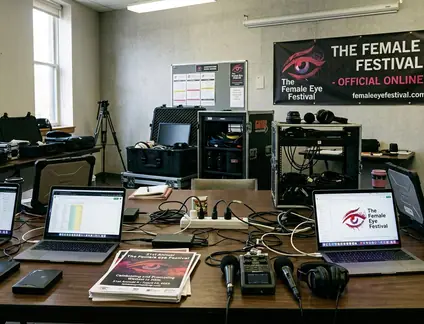
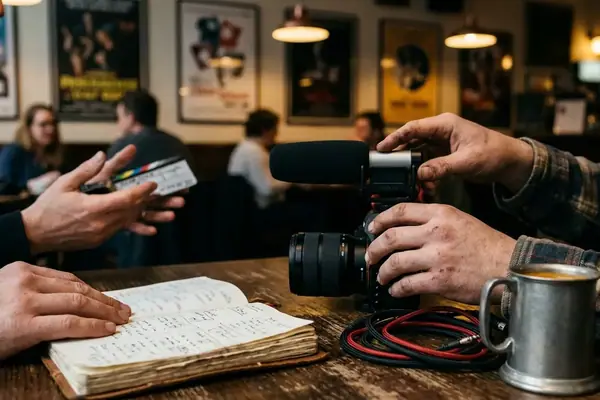
Micro-grants in this tier commonly underwrite 2–4 principal photography days at $1,800–$3,200 per day. They also cover specialized camera package rentals for 6–10 consecutive shoot days, providing essential support for formats requiring specific gear, such as Super 8 film stock and processing. Application packets that advanced past the first cut in a recent cycle included shooting schedules spanning 12–18 calendar days with contingency buffers of somewhere around 1.5 days. Demonstrating a realistic shooting schedule and a clear path to completing principal photography secures panel confidence.
Resources 7-8: Post-Production Finishing Funds
The final stages of editing, color grading, and sound mixing require dedicated finishing funds. The two major resources in this category require a viewable rough cut of at least 65 minutes, or a locked picture, uploaded 10–14 days prior to the review panel date. Review panels convene on fixed 8-week cycles. Materials must reach the portal between the 1st and 12th of the intake month to be docketed for that cycle.
Finishing funds cannot be retroactively applied to clear debts incurred during production; they must be allocated directly to post-production vendors or festival deliverables. Typical award ranges cover color grading sessions of 40–60 hours, 5.1 sound mix stages booked in 3–5 day blocks, and DCP or IMF festival deliverable packages.
Rough Cut Requirements Finishing-fund success rates drop sharply when the submitted rough cut still lacks temp sound design or contains unresolved story gaps longer than approximately four minutes, even if the visual assembly is otherwise complete.
Resources 9-10: Mentorship and Fellowship Programs
The final two resources combine financial backing with industry mentorship and networking access. These programs pair a cash award with a minimum of four structured mentor sessions and at least one facilitated introduction to a sales or distribution contact.
Annual fellowship cycles open for submissions in two distinct windows: 15 September–30 October and 1 March–15 April. Programs issue decision letters 11–13 weeks after each close. The long-term value of fellowships extends well beyond the initial grant. Career-support components routinely include festival strategy calls scheduled inside the first 45 days after acceptance and warm introductions completed before the fellow’s next major market. Filmmakers must prepare materials months in advance of these typical fall and spring deadlines to secure these comprehensive support structures.
Strategic Approaches to Grant Applications
Managing ten distinct funding avenues requires a rigorous tracking framework. Master preparation timelines that met multiple concurrent deadlines allocated 6–9 weeks for budget and lookbook finalization. They reserved a further 10–14 days for director’s statement calibration to each fund’s stated thematic language.
Clearly articulating the project's audience and the director's unique vision in the application materials separates funded projects from the slush pile. Audience articulation sections that cleared initial screens described primary viewership in concrete exhibition contexts—such as regional art-house runs of 4–6 weeks, campus circuits, or targeted streaming windows, rather than relying on demographic abstractions. This rigorous approach aligns with annual research on women's employment in independent film, which emphasizes the necessity of structured career pathways and targeted institutional support.
The Long-Term Impact of Targeted Financing
The grant application process demands sustained persistence. Persistence cycles for successful multi-grant packages averaged something like 3–5 formal applications across 16–28 months before the first major production check cleared.
Projects locking institutional funds before the start of prep showed women remaining in key creative crew roles through picture lock at markedly higher rates than peer projects without such early backing.