Defining the Core Inquiry
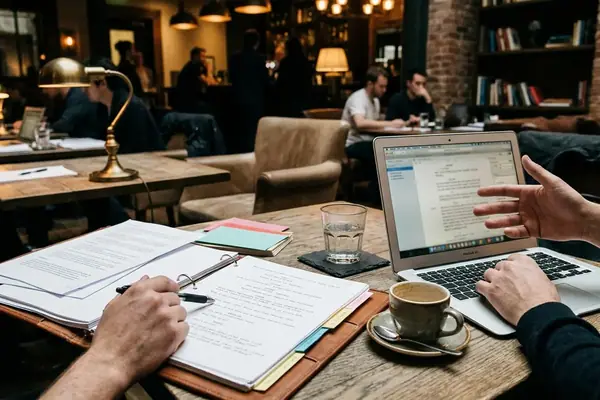
How do you move past standard press junket questions to uncover the actual creative engine driving a director's vision? Festival coverage exists to document artistic intent, moving beyond promotional soundbites to capture the mechanics of filmmaking. The central question locks into place by contrasting standard junket openers against this documentation goal. Craft-engine language takes priority because promotional cycles consistently obscure technical decision-making.
Press access windows at multi-day festivals typically open approximately 48-72 hours after a public screening. This tight turnaround demands rigorous preparation. Core-inquiry outlining is completed in something like a 90-120 minute focused block before any question drafting begins. Securing the angle early prevents the interview from drifting into generic territory.
Pre-Interview Research and Film Analysis
Watch the director's current festival film multiple times. Plot-only first watches leave framing, color grading, and sound decisions unexamined. Technical multi-pass viewing sequences ahead of thematic mapping to build a foundation for deeper conversation. Three full technical passes are scheduled inside a 36-48 hour window after the screener link arrives.
A fatigue-question inventory draws from the director's prior 4-6 interviews conducted across an 18-36 month span. Reviewing these past conversations maps out topics the director has already answered repeatedly. Establishing a baseline of respect aligns with established principles for conducting interviews, ensuring the dialogue pushes into new territory rather than retreading familiar ground.
Structuring Your Question Hierarchy
Organize questions into a funnel. Start with specific, craft-based observations to build trust, then widen to broader thematic inquiries. Broad thematic openers reliably trigger polished festival answers. Specific observational starters—like asking about a distinct Super 8 film stock choice—first establish shared reference points that unlock longer, unscripted responses.
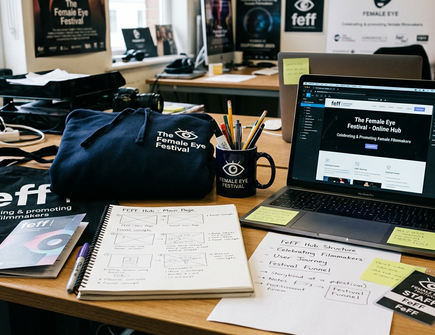
The primary list holds 8-12 craft-anchored questions plus 3-5 modular follow-up prompts. Draft open-ended questions that require narrative answers, avoiding binary setups. Each open-ended draft is stress-tested in mock timing runs that target 45-90 second narrative yields. Modular prompts allow a pivot if the director introduces an unexpected but valuable tangent.
Centering Craft Over Cliché
A common pitfall in festival journalism involves reducing women directors to spokespeople for their gender rather than treating them as master craftspeople. Craft-first framing enforces a focus on the individual's specific cinematic techniques.
Warning: Leading with representation or gender-industry questions produces policy statements and zero craft detail.
These gender-spokesperson openers consume the opening 4-6 minutes and leave insufficient room for technique. Two to three production constraints drawn from the current film become the sole industry-navigation anchors. Full interview slots of 20-40 minutes keep technique as the continuous through-line. One catch: the craft-to-theme progression collapses when total seated time drops below somewhere around 18 minutes.
The Art of Active Listening on Location
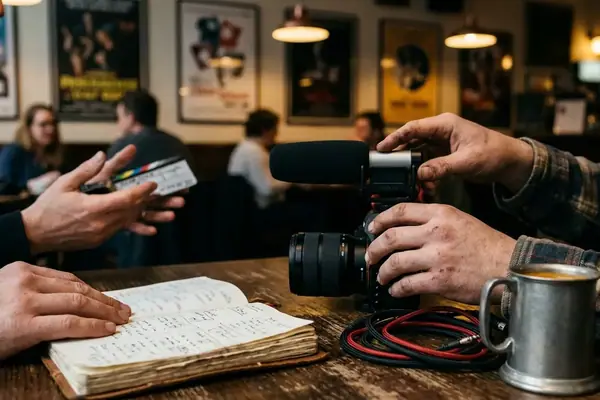
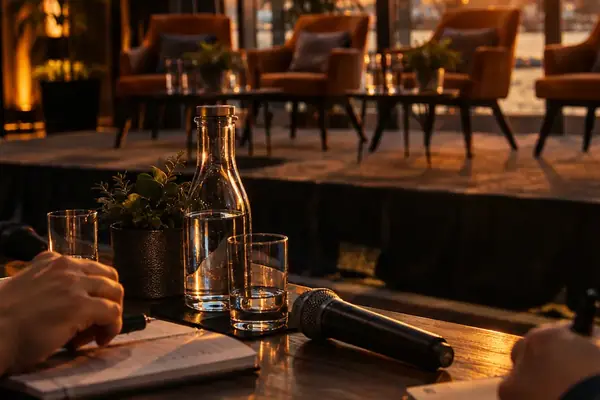
Manage the physical or virtual environment to minimize festival distractions. Hallway noise can truncate reflective answers, making environment control the priority. A discreet recorder check occupies the 60-90 seconds before the director is seated. This maintains eye contact and conversational flow once the session begins.
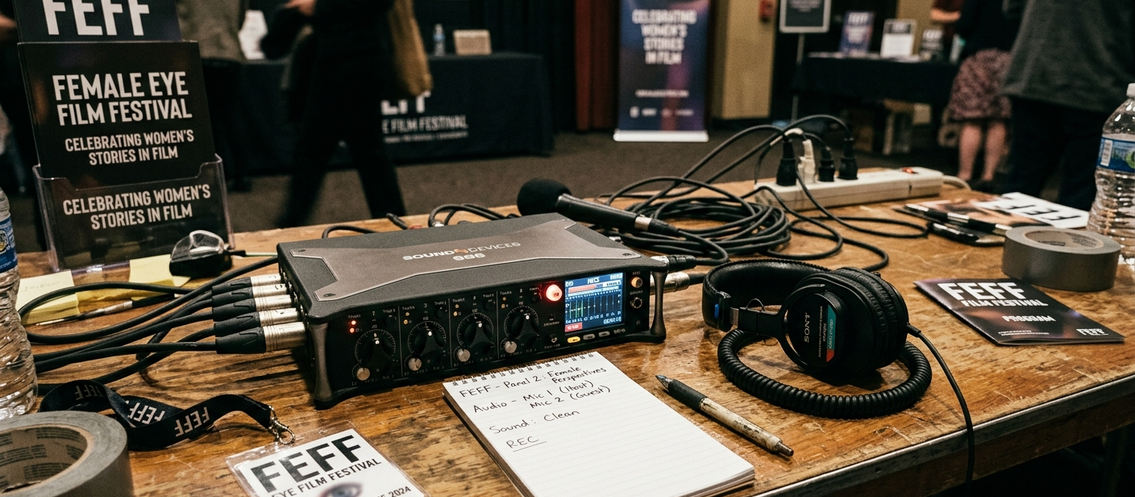
Under real-world conditions, practice tactical silence. Allow the director space to formulate complex thoughts without rushing to fill the dead air. Tactical silence intervals of 3-7 seconds are held after each substantive reply during 25-35 minute sessions.
Pro Tip: Remote festival links require silence windows extended by 2-4 seconds to offset 200-400 ms latency.
Day-Of Interview Readiness
- Confirm screener technical notes (framing, grade, sound) are on a single reference card
- Verify recorder levels and backup device in the 60-90 second pre-seat window
- Place fatigue-question list face-down so only craft openers remain visible
Transcribing and Shaping the Final Profile
Translate raw, conversational transcripts into a structured narrative. The raw transcript is turned around within more or less 4-8 hours for same-cycle festival filing. Balance direct quotes with editorial context, ensuring the director's distinct voice and cadence remain intact.
Key Takeaway: Shaping begins from the strongest craft insight rather than transcript order because chronological reads bury the thematic spine.
The anchor quote is isolated only after two complete passes so cadence patterns emerge clearly. This anchor quote is pulled from a 25-50 word passage identified on the second full read of a 3000-5000 word transcript.